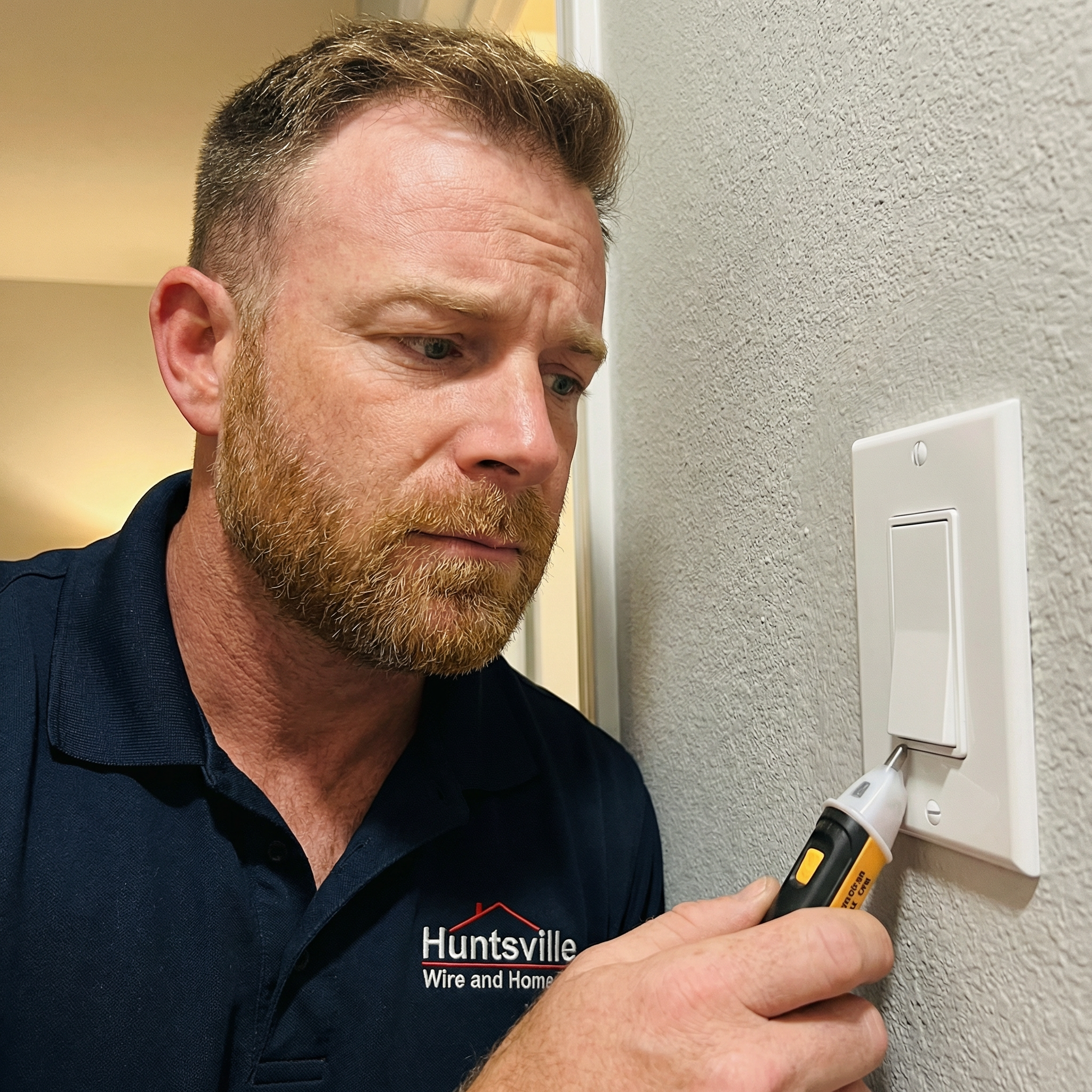
Ever go to dim the lights for a movie and notice the wall plate feels warm to the touch? It catches a lot of folks off guard, but that heat is actually physics in action. Inside that little box, a component called a triac is rapidly chopping up the electricity flow to lower the light level, and the byproduct of that electrical resistance is heat. Most modern dimmers have aluminum fins, known as a heatsink, hidden behind the plate specifically designed to dissipate that thermal energy safely into the air. It’s a trade-off: you save money on your electric bill by using less light, but the switch has to work a little harder to manage the current.
There is a distinct line between “warm” and “danger,” though. A dimmer operating within its rated capacity should feel like a fresh cup of coffee in a ceramic mug—warm, but comfortable to hold. If the wall plate is hot enough that you instinctively pull your hand away, or if you smell burning plastic, you’ve got a problem. This usually happens when a standard 600-watt dimmer is trying to control 800 watts of chandelier bulbs, or if the wire nuts in the back of the box are loose. That excess heat cooks the insulation on your wires, turning a simple convenience feature into a potential fire hazard.
If you are still running high-wattage incandescent bulbs, the easiest fix is often swapping them out for dimmable LEDs. You get the same mood lighting with a fraction of the current load, meaning the switch stays cool and lasts longer. Just keep in mind that if you have multiple dimmers installed side-by-side in the same box, you usually have to break off those metal heatsink tabs to make them fit. Doing that actually lowers the wattage rating of the switch—so a 600-watt dimmer might only handle 400 watts once it is installed in a group. Always do the math on your total bulb wattage before you lock that faceplate back on.
#huntsvilleelectrician #huntsvillealabama #hamptoncove #madisoncounty #huntsvillehomes
Leave a Reply