Grid Instability
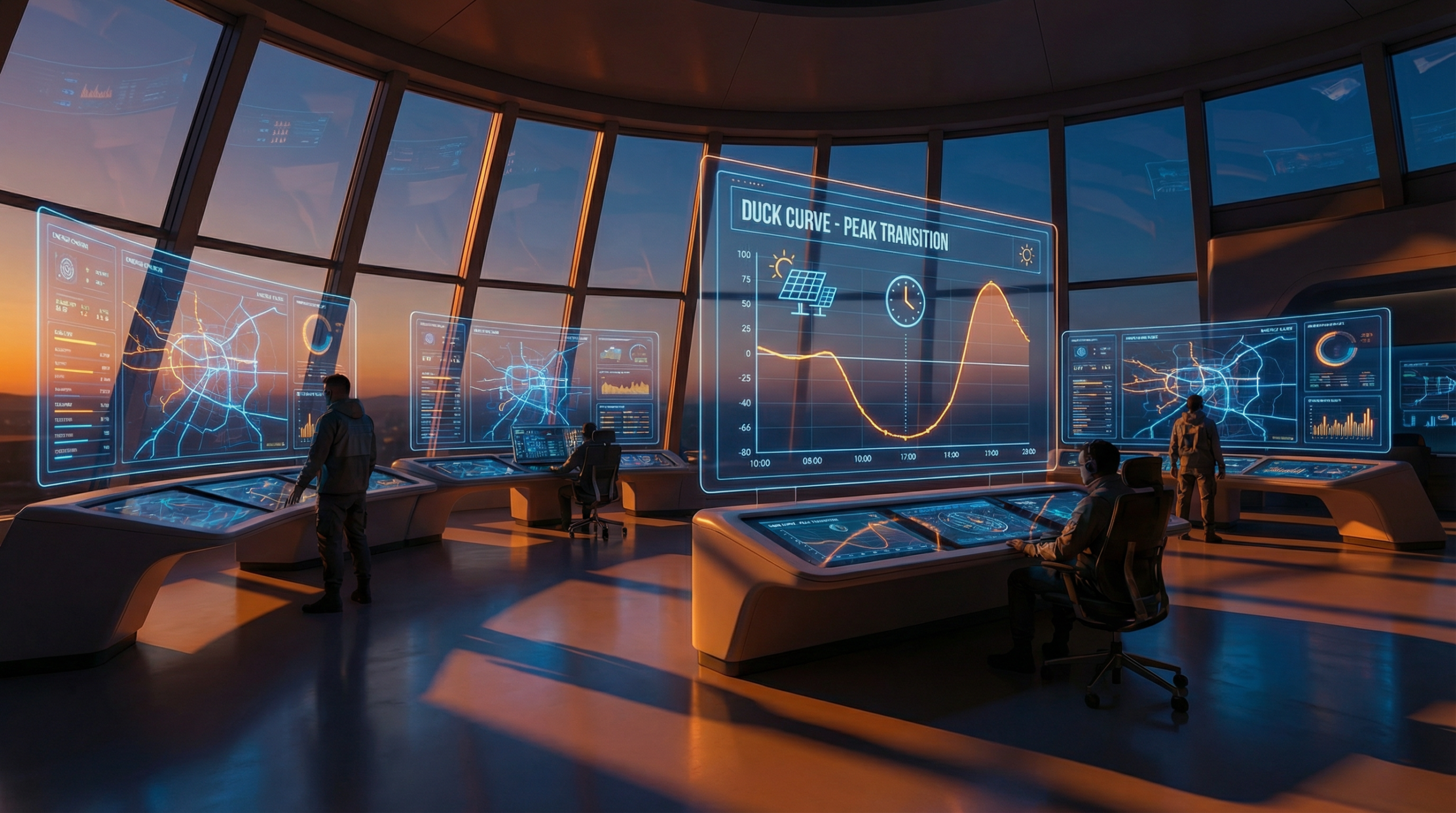
Shop talk time, this is something critical to our power supply: the “Duck Curve.” This isn’t some rare waterfowl; it’s a visual representation of net load—that’s total electricity demand minus the output from variable renewables like solar—over a 24-hour period. During the day, especially in sunny places like Alabama, abundant solar generation pushes that net load down, creating the “belly” of the duck. But as the sun dips below the horizon, solar production plummets, while simultaneously, everyone gets home, cranks the AC, turns on lights, and starts cooking dinner. This creates a massive, steep ramp-up in demand, forming the “neck” of the duck and presenting a serious challenge to grid stability.
The physics behind this challenge is straightforward: the grid needs supply and demand to be perfectly balanced, instantaneously. When solar power rapidly disappears and our collective demand for electricity—especially from energy hogs like air conditioners—surges, conventional power plants, primarily natural gas peaker plants, must ramp up their output at an incredible rate. This rapid change isn’t just a switch-flip; it stresses equipment, operates less efficiently, and requires expensive, quick-start generators that sit idle most of the day. The faster the ramp, the more strain on the system, and the higher the operational cost, which ultimately gets passed down to us.
This confluence of factors makes sunset the most vulnerable time for our power grid. The system is pushed to its limits, increasing the risk of brownouts, voltage fluctuations, or even localized blackouts if generation can’t keep pace with demand. Solving the Duck Curve challenge requires significant investment in grid-scale battery storage to capture midday solar excess and deploy it in the evening, as well as smarter demand response programs. As your trusted Huntsville electrician, I’m keeping an eye on these developments, because they directly impact the reliability of your power, and the future of our energy infrastructure right here in Madison County.
#huntsvilleelectrician #huntsvillealabama #hamptoncove #madisoncounty #huntsvillehomes
Leave a Reply