When you see quotes for automatic standby generators hitting five figures, it often feels like the only other option is running extension cords through a cracked window in the rain. There is, however, a middle ground that keeps your wallet happy and prevents your wiring from overheating. The biggest danger during a blackout isn’t just the dark; it’s “backfeeding.” Without a proper physical barrier, plugging a generator into your home can send high voltage back out to the street, which is a life-threatening risk for the utility linemen working to restore power. You need a way to isolate your home from the grid that doesn’t cost as much as a used car.
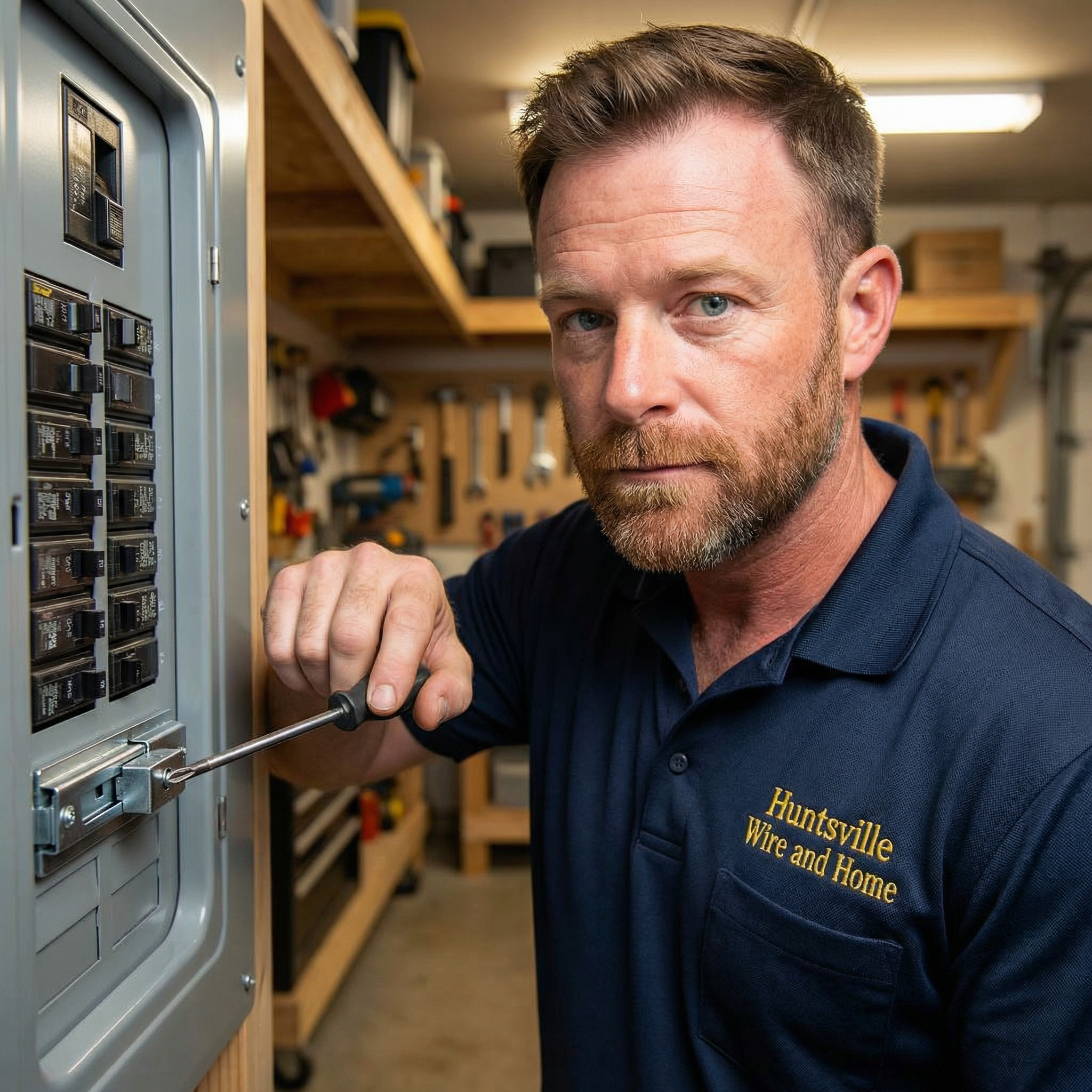
This is where the interlock kit shines as a practical solution. It is essentially a sliding metal bracket installed directly on your panel cover that relies on simple mechanics to ensure safety. The design forces a sequential choice: the plate physically blocks you from flipping the generator breaker on unless the main utility breaker is completely switched off. It is foolproof because you physically cannot have both power sources active at the same time. Since we aren’t rewiring the whole house or installing a massive, complex automatic transfer switch, the installation is straightforward and costs a fraction of the heavy-duty alternatives.
Once the kit and an exterior inlet box are installed, powering up your home is as simple as flipping two switches. Just remember that while this setup safely connects your portable generator to the panel, you are still limited by the generator’s wattage. You won’t be able to run the central AC, the electric oven, and the dryer simultaneously on a standard portable unit. Before the next storm rolls through, take five minutes to label the essential breakers—like the fridge, lights, and furnace fan—so you aren’t fumbling in the dark guessing which switches to flip.
#huntsvilleelectrician #huntsvillealabama #hamptoncove #madisoncounty #huntsvillehomes
Leave a Reply