Inspector Blindspots
When your new renovation or electrical upgrade gets the green light from the city inspector, it’s easy to breathe a sigh of relief. You think, ‘Great, it’s all good!’ Here’s what the other guys won’t tell you: that stamp of approval, while crucial, isn’t a gold seal of perfection. An inspector’s job is fundamentally about life-safety, ensuring the installation meets the minimum code requirements to keep your family safe from immediate hazards—think proper grounding, correct wire sizing for breakers, and secure connections. They’re the guardians of the bare minimum.
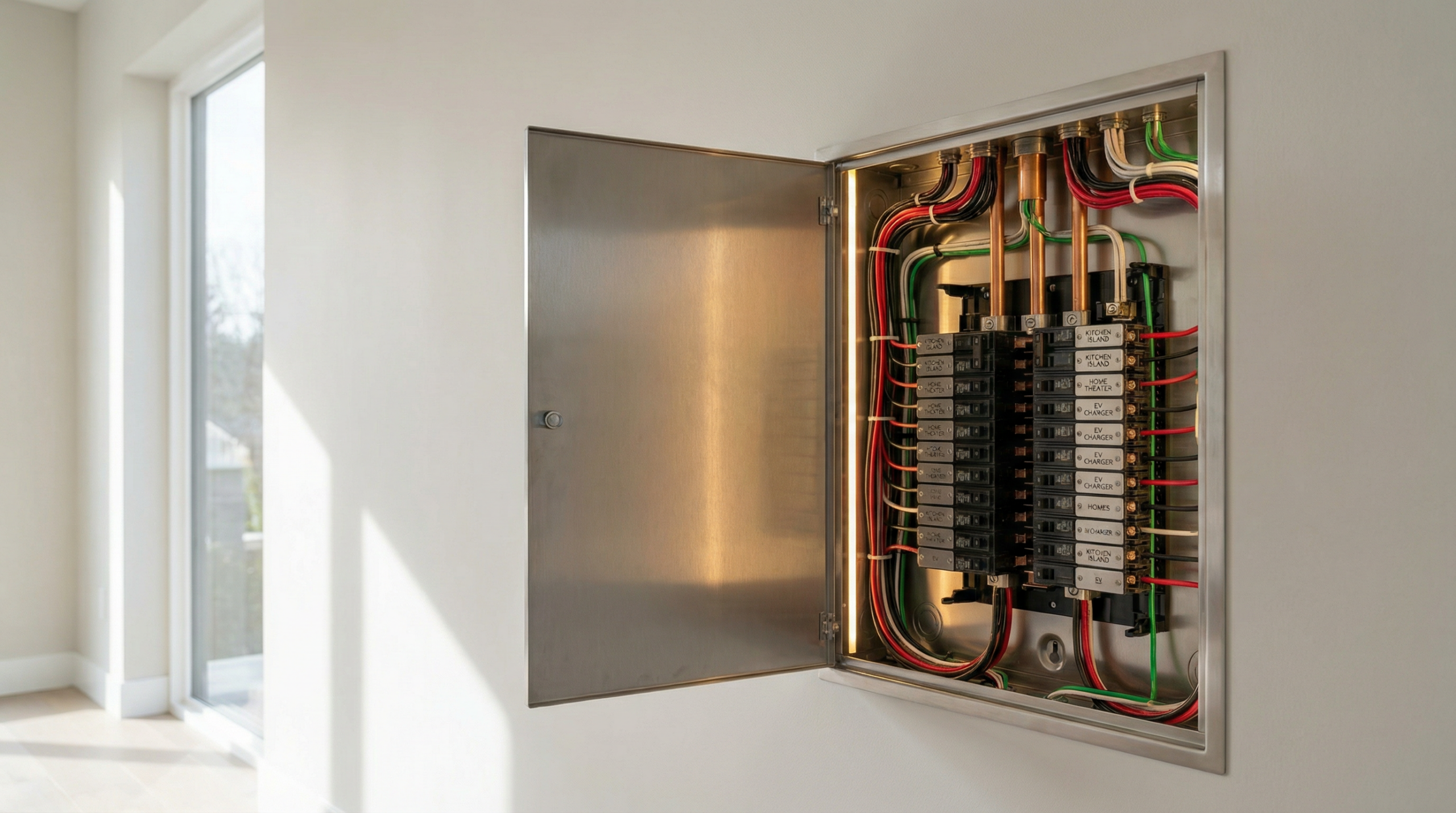
What they aren’t checking for is the quality of your daily living experience. They won’t flag a light switch placed awkwardly behind a door swing, or notice if your brand-new recessed lighting setup has an unexpected voltage drop that dims your bulbs prematurely. They won’t scrutinize if the wiring in your panel looks like a bird’s nest or a work of art, as long as it’s technically compliant. That level of foresight, functionality, and finesse? That’s on the electrician you hire.
This is the difference between a bare minimum install and truly professional work. You see, the inspector is not your personal quality control manager; they’re the code enforcer. Empowering yourself means understanding this distinction and recognizing that true peace of mind comes from hiring a seasoned pro who builds to a higher standard than just ‘passable.’ It’s about getting an electrician who cares that your home’s electrical system isn’t just safe, but smart, efficient, and built to last for generations.
#huntsvilleelectrician #huntsvillealabama #hamptoncove #madisoncounty #huntsvillehomes