DIY Help
Honest guidance for the handy homeowner. I respect a guy who wants to work on his own house, so I’ll show you what you can safely tackle yourself—and exactly where the line is before things get dangerous.
-
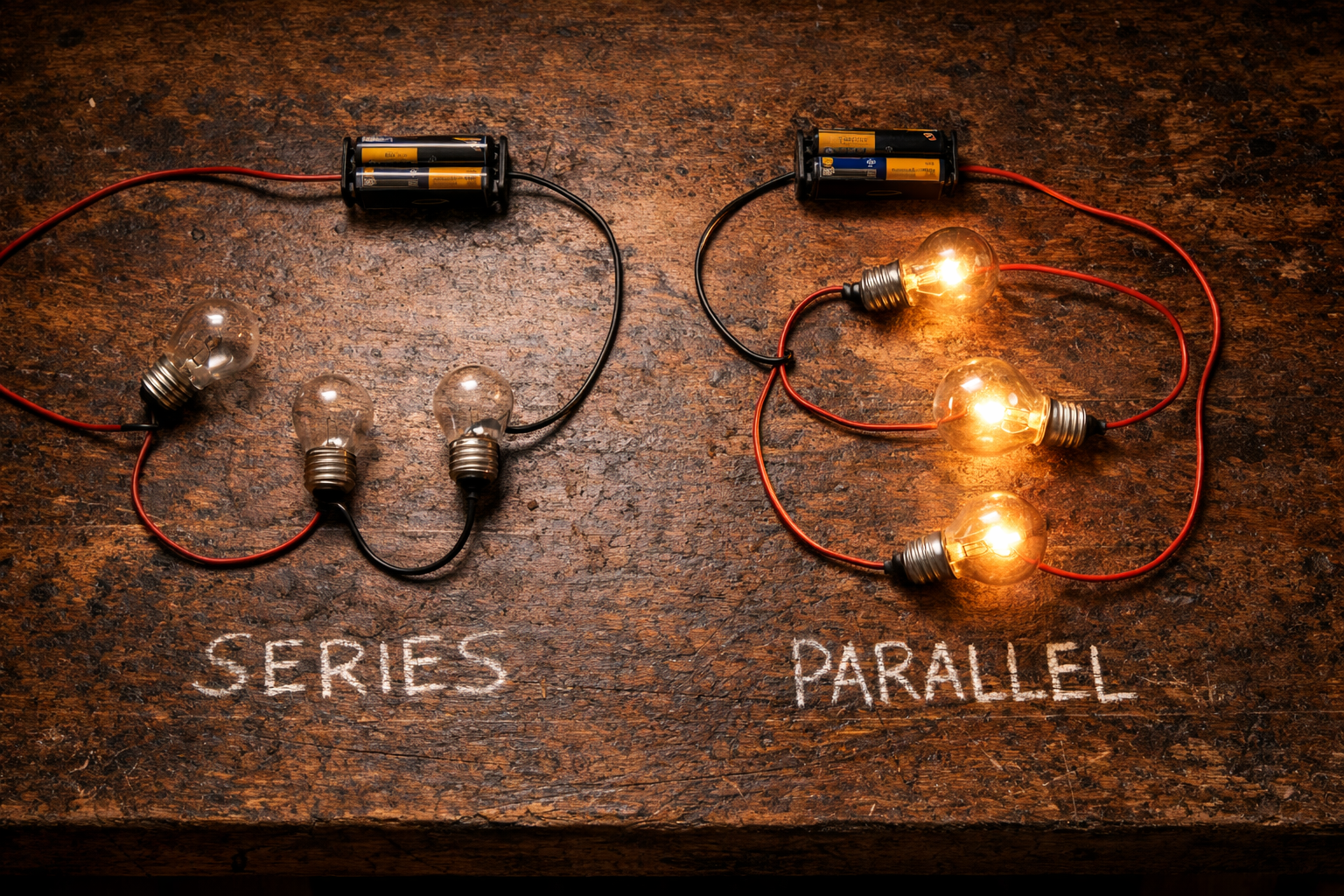
Dad Science: Series vs Parallel Lights
Ever wonder why one burnt-out bulb kills the whole strand of Christmas lights? It’s called a Series Circuit, and it’s the exact opposite of how we wire your home.
-
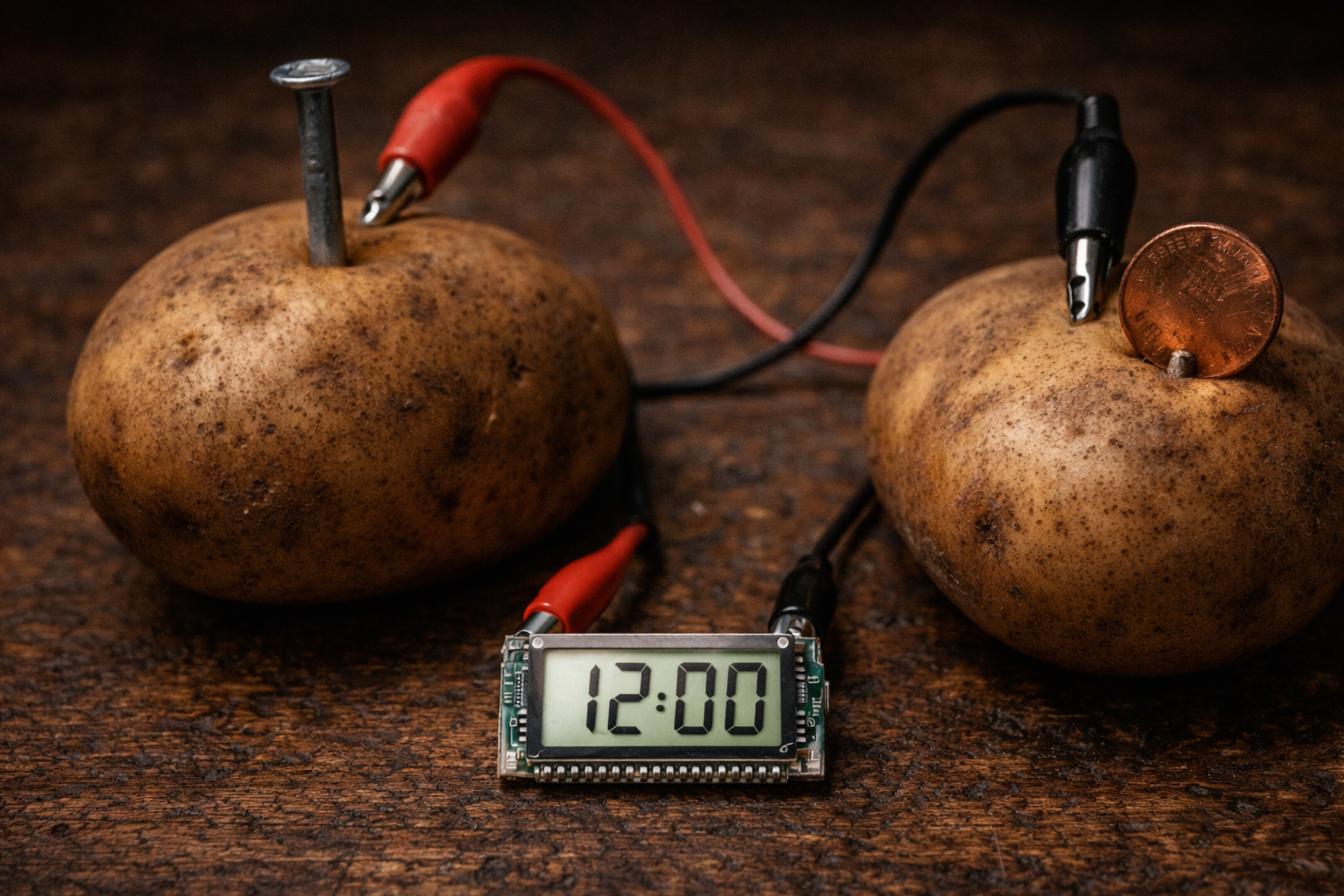
Dad Science: The Potato Clock
It’s not magic, it’s chemistry. Stop thinking the power comes from the potato—it comes from the metals. Here is how the classic science fair experiment actually works.
-
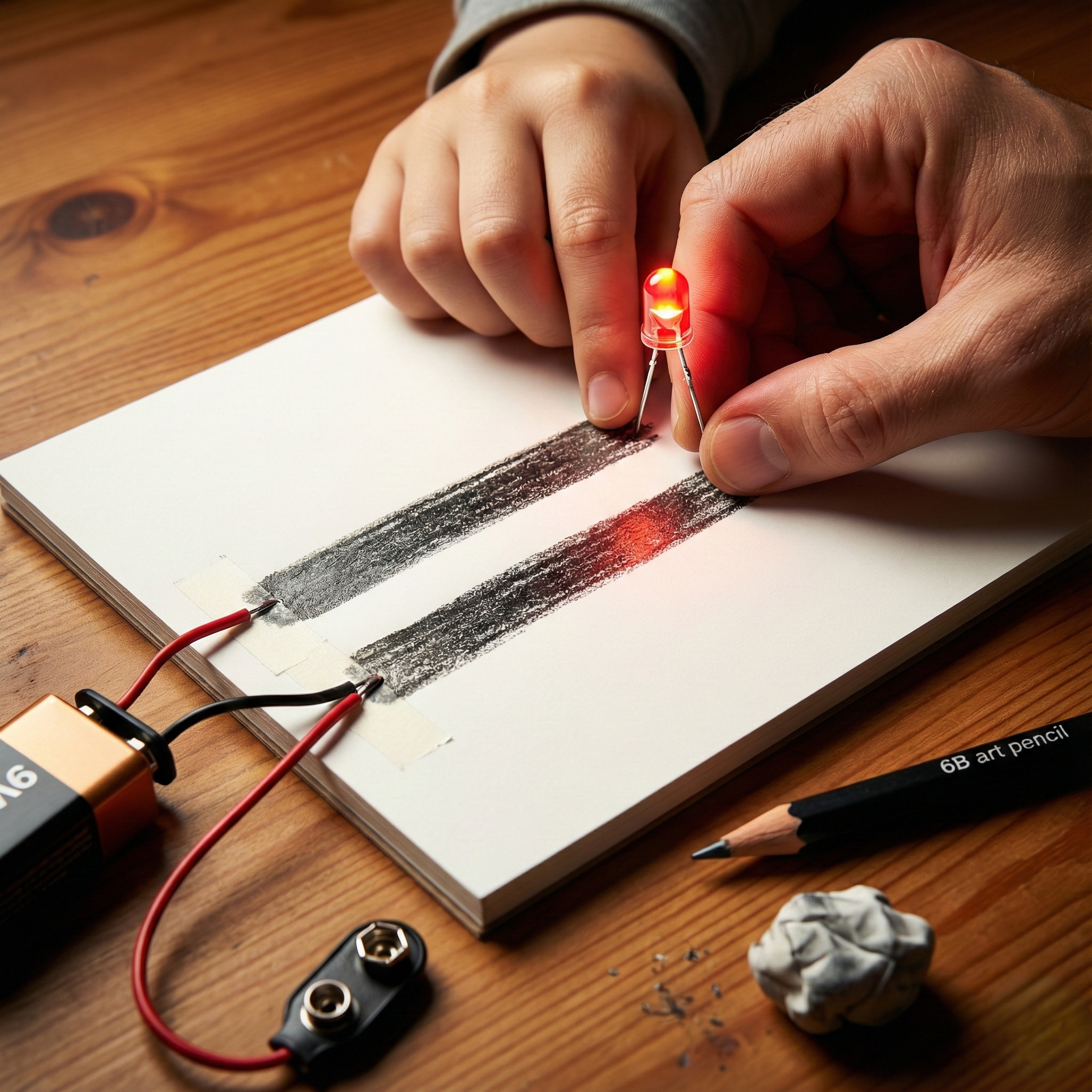
Dad Science: The Graphite Circuit
Did you know you can light up an LED using nothing but a drawing on a piece of paper? Stop explaining voltage to your kids and let them feel it (safely). This is the ‘Graphite Circuit’—hands-on science that actually sticks.
-
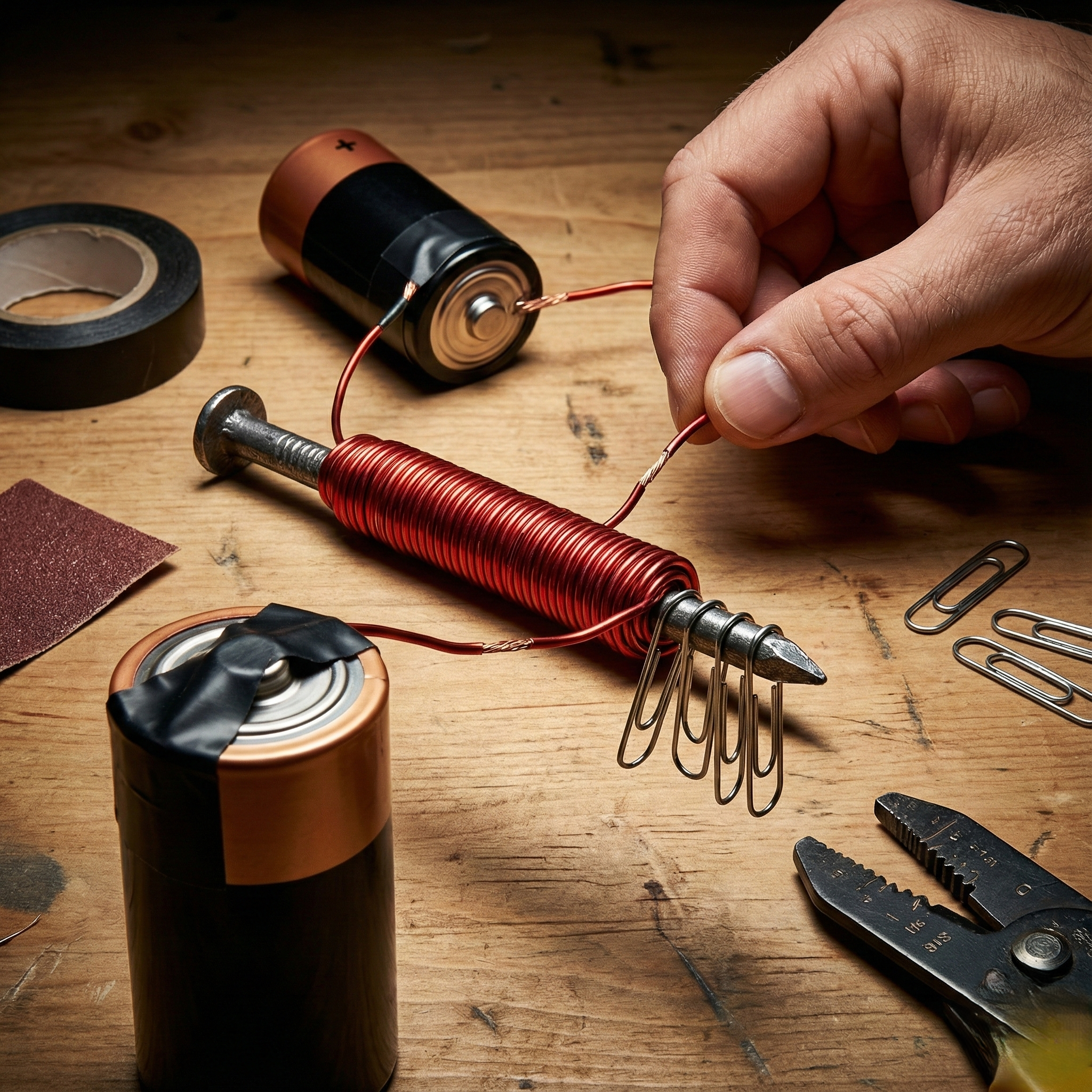
Dad Science: The Electromagnet
Stop buying plastic toys that break; teach your kids how the world around them actually works. With a nail, a battery, and some wire, we’re building an electromagnet—the exact same engine that powers everything from your drill to your Tesla. This is real engineering, simplified.
-
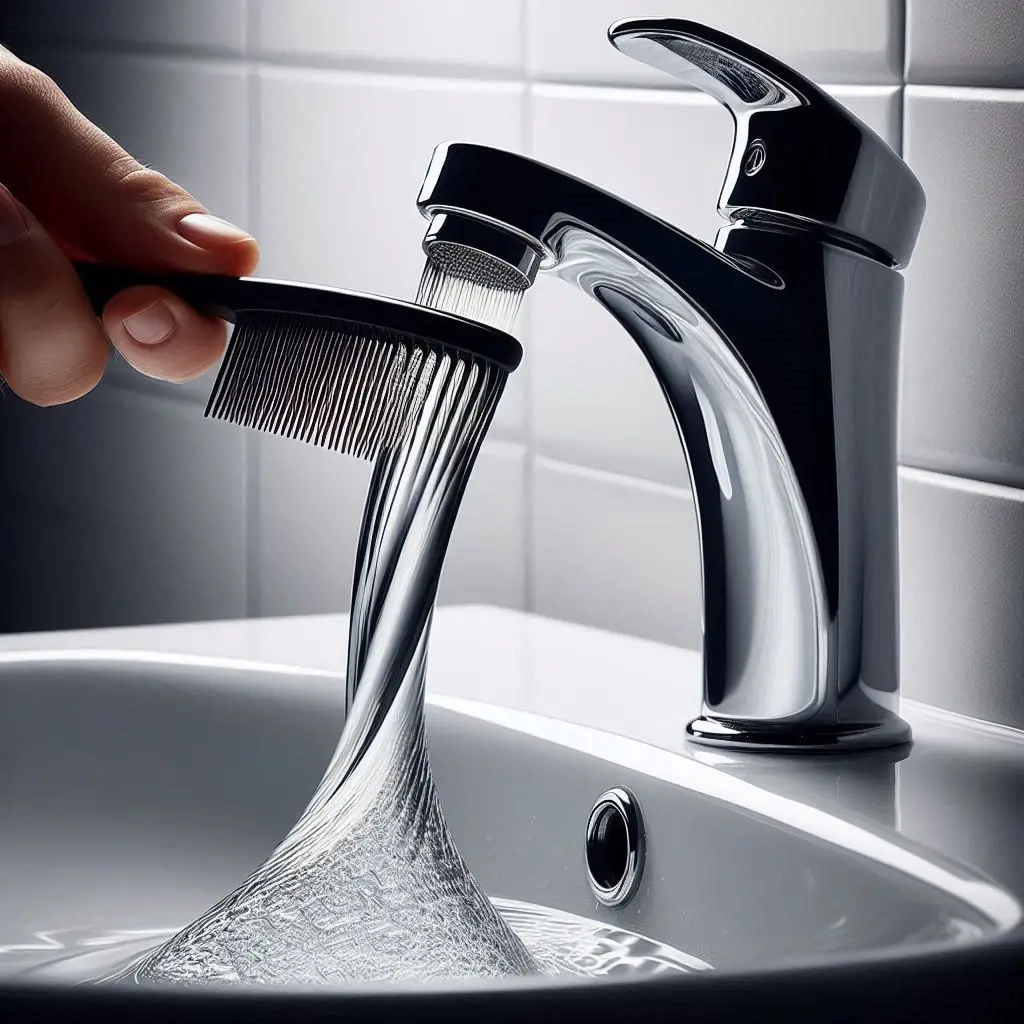
Dad Science: Bending Water
Turn your bathroom sink into a physics lab. How to use a simple plastic comb to bend a stream of water and teach your kids about molecular polarity.
-

Dad Science: The Needle Compass
Dad Science: How to turn a standard sewing needle into a working compass using nothing but friction and a bowl of water.
-
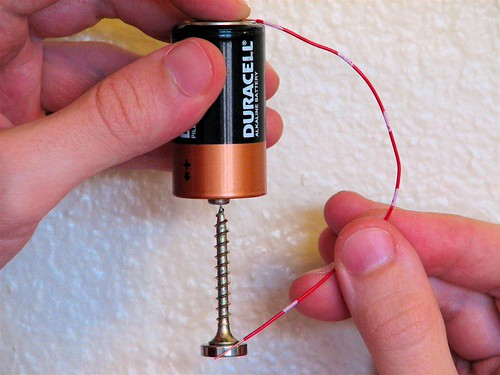
Dad Science: The Homopolar Motor
Turn a drywall screw and a battery into a high-speed engine. The “Homopolar Motor” is the simplest way to teach your kids how electricity creates motion.