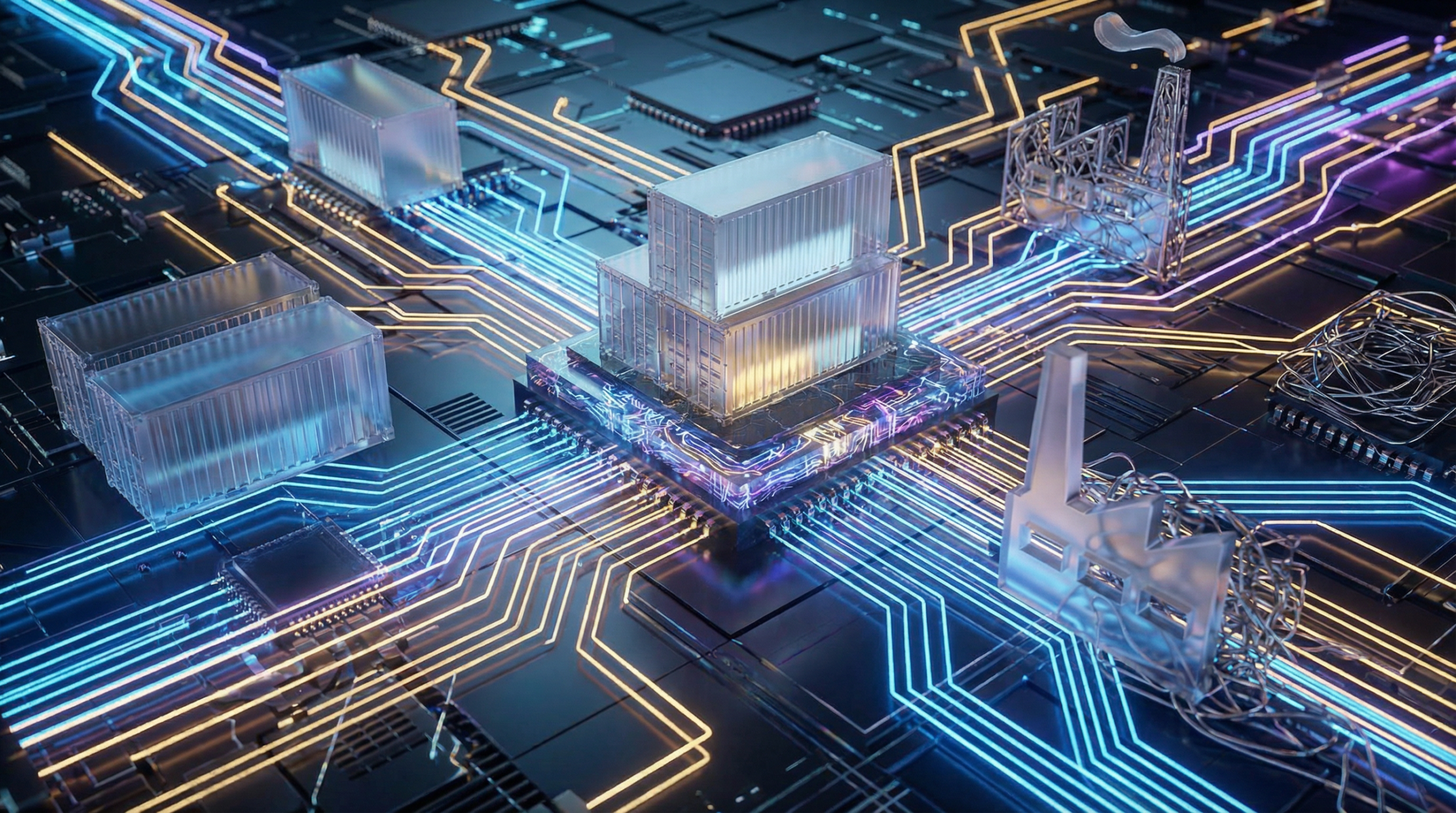
Supply Chain
The global supply chain for electrical materials has faced significant headwinds in recent years, creating a complex web of challenges for contractors, manufacturers, and consumers alike.
Key Causes of Disruption:
•COVID-19 Pandemic Aftermath: Initial factory shutdowns, labor shortages, and port congestion created a ripple effect that continues to impact production and shipping.
•Increased Demand: The rapid expansion of renewable energy projects (solar, wind), electric vehicles (EVs), data centers, and smart home technologies has driven up demand for key components like semiconductors, batteries, and specialized wiring.
•Raw Material Scarcity: Critical raw materials such as copper, aluminum, rare earth elements, and various plastics have seen price volatility and supply constraints due to mining disruptions, geopolitical factors, and increased global competition.
•Geopolitical Tensions & Trade Policies: Tariffs, trade disputes, and international conflicts can disrupt established supply routes and impact the availability of materials from specific regions.
•Logistics & Shipping Delays: Port congestion, container shortages, and a lack of truck drivers have led to extended transit times and increased shipping costs.
•Labor Shortages: A skilled labor deficit across manufacturing, logistics, and installation sectors further exacerbates delays.
•Natural Disasters: Extreme weather events and other natural disasters can disrupt manufacturing facilities or transportation infrastructure, causing sudden material shortages.
Impacts on the Electrical Industry:
•Extended Lead Times: What once took weeks now takes months, forcing project planners to order materials much further in advance.
•Price Volatility & Increases: The cost of essential components has surged, leading to higher project bids and reduced profit margins.
•Project Delays & Cancellations: Inability to source critical materials can halt projects, leading to financial penalties and reputational damage.
•Reduced Material Availability: Specific components may become completely unavailable, requiring costly redesigns or substitutions.
•Increased Planning Complexity: Companies must now navigate a much more unpredictable procurement landscape.
Strategies to handle these problems:
•Diversify Suppliers: Relying on multiple sources reduces dependence on any single vendor or region.
•Local Sourcing: Exploring domestic or regional suppliers can mitigate international shipping risks.
•Early Ordering & Stockpiling: Where feasible and financially viable, ordering materials well in advance or maintaining a strategic inventory can buffer against delays.
•Flexible Design & Material Alternatives: Designing systems with adaptability in mind, allowing for the use of alternative materials or components if primary ones are unavailable.
•Enhanced Communication: Transparent communication with clients about potential delays and material changes is crucial.
•Technology Adoption: Utilizing supply chain management software to track inventory, predict demand, and identify potential bottlenecks.
If you have questions or need help with electrical work in the Huntsville area, visit us at huntsvillewireandhome.com or give us a call. We’re here to help.
#huntsvilleelectrician #huntsvillealabama #hamptoncove #madisoncounty #huntsvillehomes