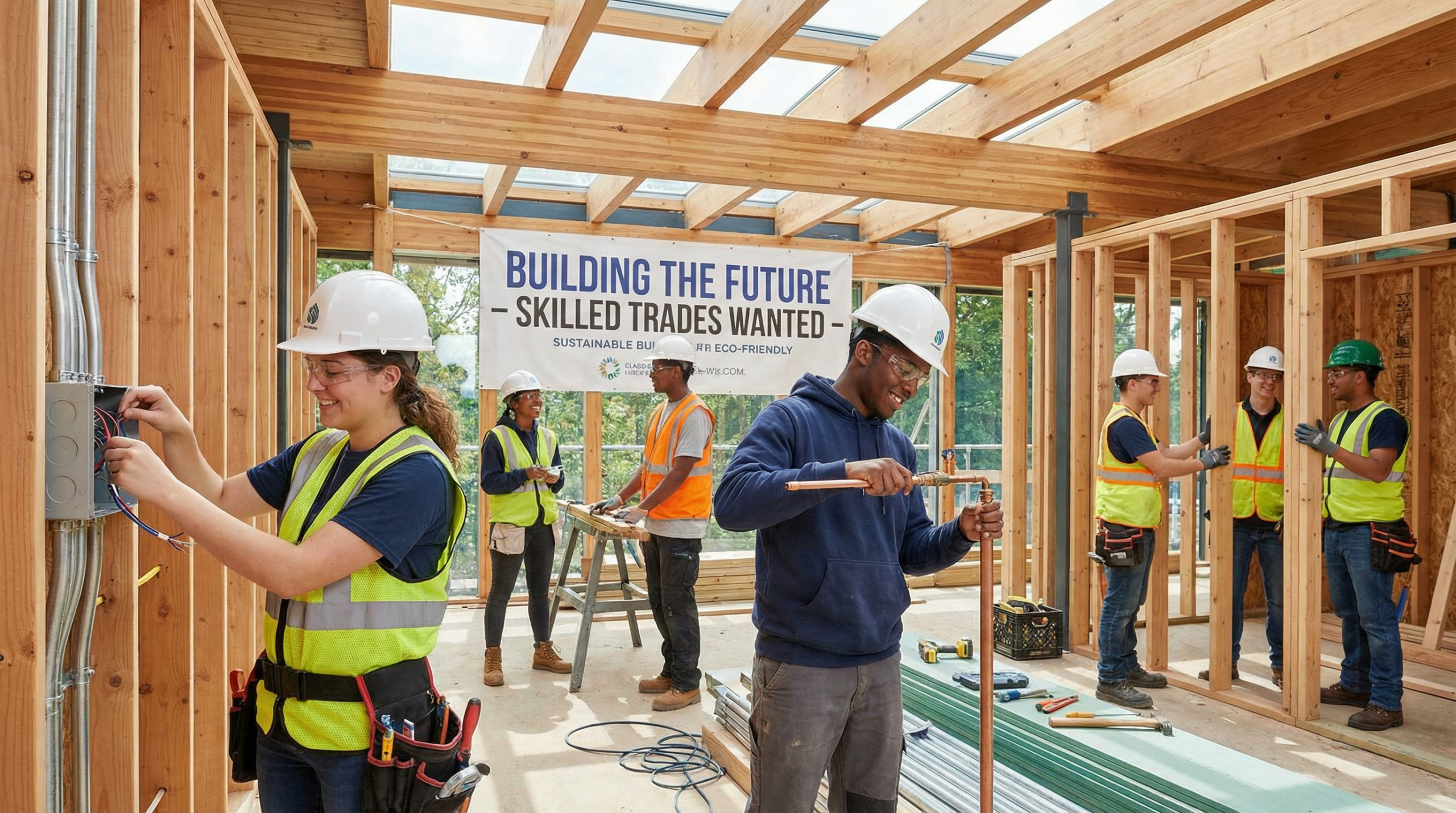
The 600k Gap
The skilled trades are the backbone of our modern society, responsible for building and maintaining everything from our homes and businesses to our power grids and transportation systems. Yet, a looming crisis threatens this vital sector: a severe shortage of qualified tradespeople.
Recent estimates from organizations like the Associated General Contractors of America and various industry groups highlight a deficit of more than 600,000 skilled workers across the United States. This isn’t just a number; it represents a tangible threat to our nation’s ability to innovate, grow, and even sustain its current infrastructure.
Causes of the Shortage:
1.Aging Workforce: A significant portion of the current skilled trades workforce is nearing retirement age. As these experienced professionals leave, there aren’t enough new entrants to fill their shoes, taking decades of institutional knowledge with them.
2.Perception Issues: For decades, there has been a societal push towards four-year university degrees as the primary path to success, often at the expense of promoting vocational training. Trades careers have sometimes been unfairly stigmatized as less prestigious or lucrative.
3.Lack of Awareness and Training: Many high schools have reduced or eliminated vocational programs, limiting students’ exposure to these career paths. Awareness of the excellent earning potential, job security, and career satisfaction in the trades is often low among young people and their parents.
4.Economic Shifts: While the economy has recovered, the demand for construction and maintenance has surged, outpacing the supply of available skilled labor.
Impacts of the Shortage:
•Project Delays and Increased Costs: With fewer skilled hands, projects take longer to complete and often cost more due to labor scarcity.
•Infrastructure Decline: Essential maintenance and upgrades to roads, bridges, power grids, and water systems are delayed, leading to potential safety hazards and reduced efficiency.
•Economic Stagnation: The inability to complete projects efficiently can slow economic growth and deter investment.
•Higher Service Costs: Consumers may face higher prices for services like home repairs and installations due to increased labor demand.
Addressing the Crisis:
Solving this complex issue requires a multi-faceted approach:
•Promoting Vocational Education: Reinvesting in high school vocational programs and community colleges that offer trades training.
•Apprenticeship Programs: Expanding and promoting robust apprenticeship programs that provide hands-on training and mentorship.
•Changing Perceptions: Educating students, parents, and educators about the rewarding, high-paying, and technologically advanced careers available in the trades.
•Government and Industry Partnerships: Creating incentives for companies to invest in training and for individuals to pursue trades careers.
•Highlighting Benefits: Emphasizing the job security, competitive salaries, opportunities for entrepreneurship, and immediate entry into the workforce that trades careers offer.
The 600,000 skilled tradesperson shortage is not just an industry problem; it’s a societal challenge that demands urgent attention and collective action to ensure a robust and functional future.
Explore local vocational schools and apprenticeship programs in your area. Consider a career in the electrical trade, plumbing, HVAC, or welding. Many resources are available to help you get started, offering excellent pay, benefits, and job security.
#huntsvilleelectrician #huntsvillealabama #hamptoncove #madisoncounty #huntsvillehomes