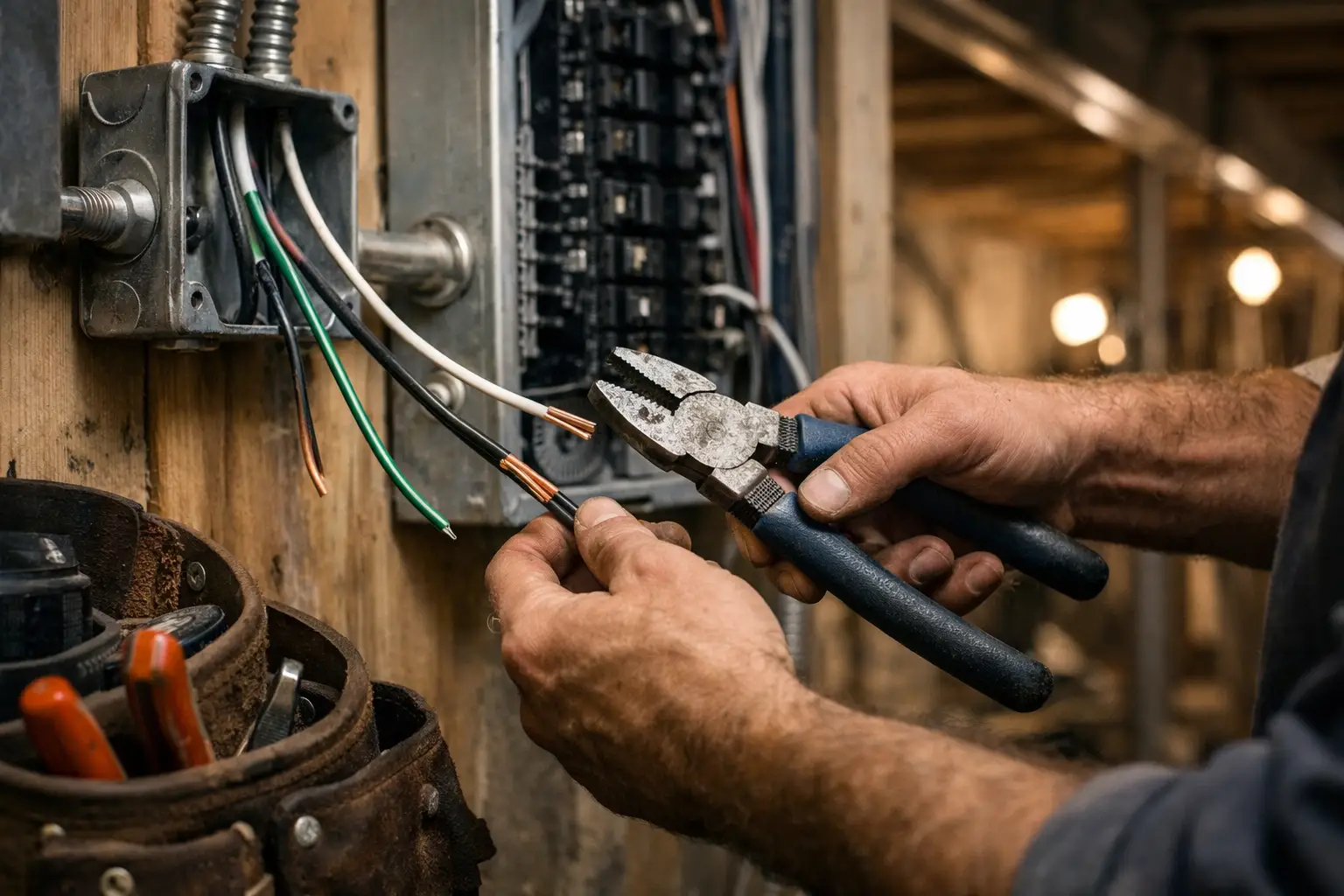
A basement gets expensive fast when the electrical plan is treated like an afterthought. We see it all the time – framing is done, drywall is scheduled, and then someone realizes there are not enough receptacles, the lighting layout makes no sense, or the panel has no room for the new loads. Good basement remodel electrical planning fixes those problems before they become change orders, delays, and patched drywall.
If you are finishing a basement in Huntsville, Madison, or Harvest, the smartest move is to think about how the space will actually be used, not just how it will look on a sketch. A basement bedroom, home theater, gym, office, kitchenette, or game room all pull power differently. The layout drives the wiring, and the wiring drives a lot more of the project than homeowners expect.
What basement remodel electrical planning really covers
Most homeowners think electrical planning means picking out light fixtures. That is part of it, but it is not the hard part. The real work is load planning, circuit design, outlet placement, switching logic, smoke alarm requirements, low-voltage coordination, and making sure the existing service can support the remodel without getting stretched thin.
That matters even more in older homes. Many basements were never intended to carry modern loads. Add a treadmill, a mini split, a microwave, a refrigerator, a sump system, and a big TV wall, and suddenly that old panel is not just crowded – it is wrong for the job.
This is where a licensed electrician earns his keep. Not by making the project sound complicated, but by catching conflicts early. If a basement finish is going to need dedicated circuits, AFCI or GFCI protection, hardwired smoke alarms, or a subpanel, it is better to know before the insulation crew is standing there waiting.
Start with how the space will be used
The cleanest basement plans begin with real-life questions. Is this mainly a hangout space? Are you adding a legal bedroom? Will there be a full bath, wet bar, workshop area, or office with multiple monitors and networking gear? Are you trying to future-proof for a home gym or a rental setup later?
Each answer changes the electrical design. A simple rec room might need a balanced lighting plan, plenty of wall receptacles, and a few dedicated circuits for entertainment equipment. A basement with a bathroom and kitchenette is a different animal. Now you are coordinating lighting, exhaust fans, appliance circuits, countertop receptacles, and code requirements for damp locations.
A home office in the basement also deserves more thought than people give it. One general-purpose circuit may technically work, but if you are running computers, printers, network gear, and portable heaters, the practical answer may be different from the bare minimum.
The panel capacity question comes early
One of the first things we check on a basement finish is the service equipment. Does the main panel have physical space for new breakers? More important, does the home have the electrical capacity for the added load?
Sometimes the answer is yes, and the project moves forward without drama. Sometimes the panel is already full, full of tandem breakers, or showing its age. In that case, basement remodel electrical planning may uncover a bigger conversation about a panel upgrade or adding a subpanel.
That is not upselling. It is the difference between building on solid infrastructure and cramming a remodel onto a system that was already maxed out. If your home also has an EV charger, hot tub, or newer HVAC equipment, that load calculation matters even more.
Lighting layout is where comfort lives or dies
A basement can look finished and still feel gloomy, chopped up, or harsh if the lighting plan is lazy. This is one of the most common misses in remodel work. People center a few recessed lights, call it done, and then wonder why the room feels flat or full of shadows.
A better approach is layered lighting. General lighting handles the room overall. Task lighting supports specific uses like a desk, bar area, reading corner, or workout zone. Accent lighting can make a media wall, built-ins, or stair area feel intentional instead of cave-like.
Switching matters too. You do not want to walk into a large basement and have one switch blast every light at once. Separate zones make the space more usable. The stair lighting should make sense from both levels. A TV area should not share one all-or-nothing switch with bright overhead fixtures. Dimmer compatibility should be considered before trim-out, not after somebody buys mismatched fixtures online.
Outlet placement is not just a code checkbox
Yes, receptacle spacing has code rules. But code minimums are not always enough for a basement people plan to use every day. A basement office, guest area, or entertainment room usually needs more outlet capacity than the minimum. Extension cords across finished living space are a sign the planning was weak.
Think about where furniture will actually go. If you know there will be a sectional, a desk, a treadmill, or a wall-mounted TV, the receptacle layout should match that reality. The same goes for charging stations, holiday lighting near a stair rail, and utility needs around a mechanical area.
This is also where planning for data and low-voltage wiring helps. Even if your Wi-Fi is decent, some setups still benefit from hardwired internet, especially for home offices, gaming, streaming equipment, or security gear. It is much easier to coordinate those pathways while the walls are open.
Bathrooms, bars, and special-use areas need their own attention
Once a basement remodel adds plumbing or appliances, the electrical scope changes. Bathrooms bring dedicated receptacle requirements, fan wiring, lighting choices around mirrors, and moisture-related code concerns. Wet bars and kitchenettes often need small appliance circuits, refrigerator power, microwave planning, and better coordination between cabinet layout and receptacle placement.
If the basement includes a workshop or hobby area, the planning may shift again. Some tools need dedicated circuits. Some spaces benefit from brighter task lighting and more receptacles above work surfaces. This is where a practical electrician asks what you are really going to plug in, instead of assuming every finished basement works the same way.
Bedrooms and life safety are not optional details
If the remodel includes a bedroom, life safety requirements need to be addressed correctly. That usually means smoke alarms and proper interconnection with the rest of the home, depending on the house and scope of work. This is not the part of the project to wing.
The same goes for egress considerations and the way lighting and switches are arranged around the stair and sleeping areas. A basement that is comfortable for movie night is not automatically ready to serve as sleeping space. The electrical plan should reflect that difference.
Basement remodel electrical planning should account for future changes
A lot of homeowners remodel in phases. They finish the main space now, then add a bar, office, or gym later. Or they think they just want a playroom, and two years later it is a teen hangout with a mini fridge, gaming setup, and extra cooling needs.
That does not mean you overbuild everything. It does mean you should talk through likely future uses while the walls and ceilings are still open. Sometimes adding a spare conduit path, extra homerun capacity, or a few well-placed boxes now saves a lot of aggravation later.
That is especially true if the basement may eventually support higher loads or more defined rooms. Planning for flexibility is cheaper in rough-in than it is after paint and trim.
Where homeowners usually get burned
The biggest mistakes are predictable. They rely on a generic lighting layout. They assume the existing panel can handle anything. They forget dedicated circuits for HVAC accessories, sump equipment, refrigerators, or office loads. They place receptacles based on bare walls instead of furniture and real use. Or they hire somebody who treats basement wiring like a fast rough-in instead of part of the overall design.
Another common problem is late coordination. Electricians get called after framing, cabinet decisions, and media wall details are already locked in. At that point, there are fewer good options. You can still solve problems, but it gets more expensive and less elegant.
A remodel goes smoother when the electrician is brought in early enough to flag conflicts before the job starts stacking trades on top of each other.
What to have ready before you call an electrician
You do not need a full construction set to have a useful conversation. A simple sketch of the basement, a list of intended uses, and notes about special equipment go a long way. If you already know where the TV wall, office area, bath, or bar will be, that helps. If you have product ideas for lighting or appliances, bring those too.
Just as important, mention anything else new in the home that affects load planning. EV charger, hot tub, new HVAC, tankless water heater, workshop equipment – those details matter. A real electrical plan looks at the house as a system, not just the basement by itself.
At Huntsville Wire and Home, that is usually the difference between a clean remodel and one that keeps getting revised in the field. The best basement electrical work is not flashy. It is quiet, code-correct, and built around how you actually live in the space.
If you are finishing a basement, slow down long enough to plan the wiring before the walls close up. That is where the good decisions are still cheap.