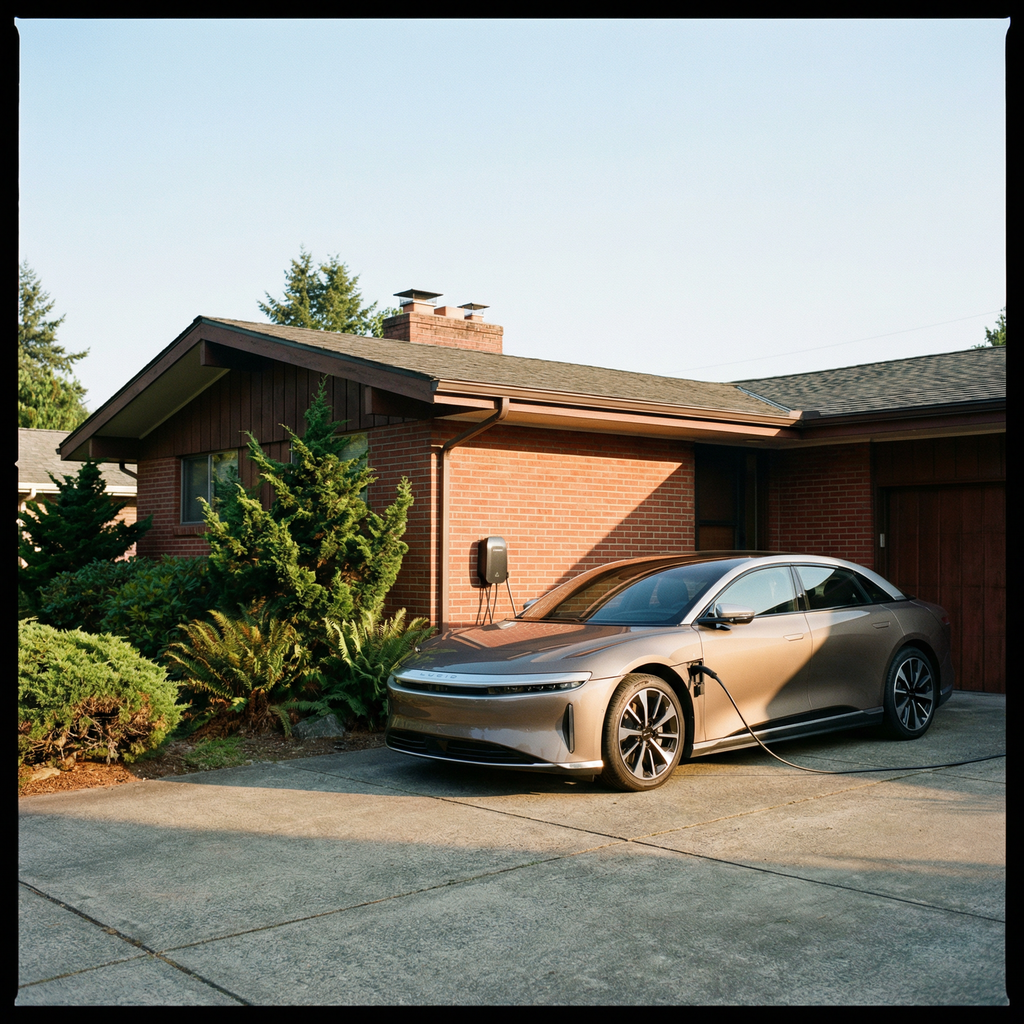
Driving a new EV into the driveway of a classic 1970s brick rancher brings a mix of excitement and mild panic when you realize the electrical panel might be as old as the disco era. Those homes were built when we had one TV and maybe a window AC unit, so the original 100-amp service wasn’t designed to fuel a car that pulls as much power as an entire oven running all night. It isn’t just about finding a spot on the wall for the charger; it’s about asking the breaker box if it has enough juice left in the tank to handle the heavy lifting without tripping the main breaker every time you turn on the dryer.
Before any wires get run, there has to be a load calculation, which is basically a strict math test for your house. We tally up everything from the square footage and lighting to the major appliances like your HVAC, water heater, and range to see exactly how many amps you’re currently using at peak demand. If the math shows you’re hovering near capacity, adding a high-powered charger could overload the system and melt wires, but if the numbers work out, you might get away with just a sub-panel or a smart load management device instead of a full heavy-up.
Ignoring the load calculation is the quickest way to end up with a fried panel or worse, so it is strictly required by code for a reason. You want to wake up to a fully charged battery, not the smell of burning insulation or a house with no power. If you are eyeing that new electric vehicle, make sure you look at your electrical infrastructure first so you know exactly what you are getting into before you bring it home.
#huntsvilleelectrician #huntsvillealabama #hamptoncove #madisoncounty #huntsvillehomes