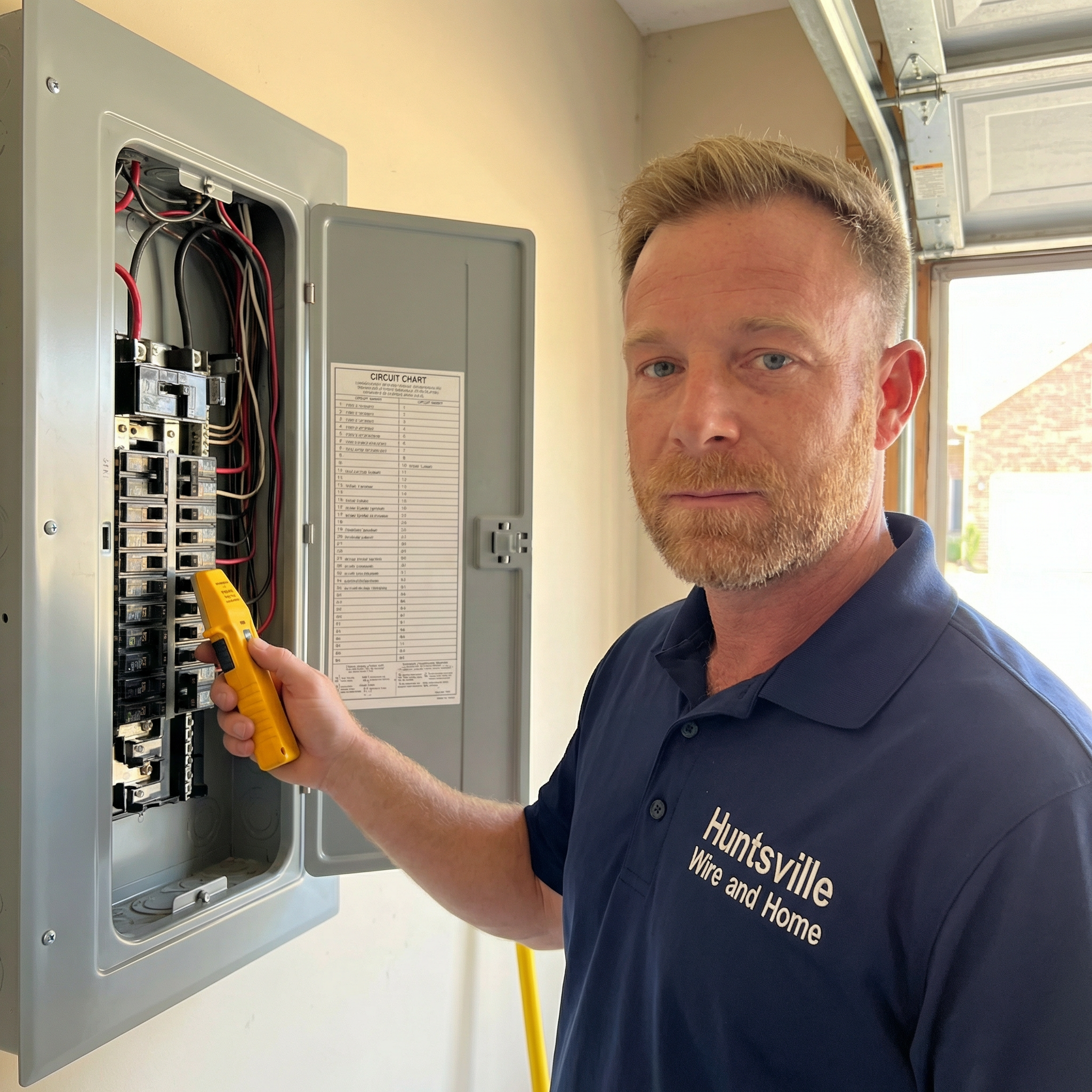
Nothing hurts the wallet more than paying a service call fee just to have someone flip a switch you could have found yourself. When your breaker panel isn’t labeled, you are essentially playing Russian Roulette with your appliances every time you need to kill power for a simple outlet swap. From a physics standpoint, electricity doesn’t care about convenience; if you overload a circuit, that breaker trips to prevent the wire from melting inside your walls. Knowing exactly which breaker feeds the master bedroom versus the kitchen disposal isn’t just about organization—it is about safely isolating energy so you can maintain your home without fear.
The cheapest way to map this out requires a spare afternoon, a loud radio or a lamp, and a patient helper standing by the panel. Plug your device into a specific room, then have your partner flip breakers one by one until the device powers down, labeling the schedule as you go. If you are flying solo or want to be precise without cycling power to sensitive electronics, a circuit breaker finder—often called a “toner”—is worth the investment at the hardware store. It sends a specific signal through the outlet that a receiver detects at the panel, letting you pinpoint the exact breaker without flipping a single switch until you are ready.
Once you have identified a circuit, write legible descriptions on the paper schedule inside the panel door, avoiding writing directly on the switches since those get swapped out over time. If you discover a single breaker controlling lights in three different rooms or hear a buzzing sound when you reset it, that is your cue to stop. While mapping saves you money on simple diagnostics, finding an overloaded neutral or a “double-tapped” breaker is a genuine fire hazard that needs professional eyes, but at least you will know exactly where the trouble is hiding before I even pull into the driveway.
#huntsvilleelectrician #huntsvillealabama #hamptoncove #madisoncounty #huntsvillehomes